

Okay, so imagine it’s 2025. You’re kinda tired of just clicking “buy now” or downloading everything. The whole digital thing is cool, sure, but sometimes you just wanna… well, touch stuff, right? Or, like, argue with someone about if that new sci-fi RPG is actually any good before you spend sixty bucks. That’s where a proper gamers game store comes in, and man, these places are different now. They aren’t just dusty old shops with stacks of games from 2008. Nah, it’s a whole scene.
It’s this weird mix of old-school cool and super new tech, a spot where you can just hang out, maybe get a weird soda, and totally immerse yourself in gaming without having to worry about lag or your little brother hogging the TV. It feels a bit like a community center, but for people who really care about games, tabletop stuff, and just… gaming. My buddy, Mark, he practically lives at our local one. Says it’s better than his living room, no joke.
More Than Just Boxes on a Shelf
So, what makes a place like this pop in 2025? It’s not just about selling games. Anyone can do that online. No, these places, the good ones, they sell an experience. You walk in, and it hits you. Not like some fancy department store, more like a really cool, slightly messy, but super cozy basement. There’s usually a faint smell of new plastic, maybe a hint of energy drink, and the low hum of PCs or consoles running in the back. That’s the vibe. It’s comforting, if you’re into it.
They got actual gaming stations. Like, big screens, comfy chairs, good headphones. You can try out that new indie game everyone’s whispering about or get a quick match in of whatever big esports title is hot right now. It’s not just a demo; sometimes, it’s a mini tournament you stumbled into. What’s interesting is, you never quite know what’ll be going down. Maybe a local streamer is doing a live show from their dedicated corner, or some game dev group is showing off a prototype they just cooked up. It makes it feel alive, you know? Like, it’s always changing.
The Actual Stuff You Can Buy (That Isn’t Just Digital)
Okay, so products are still important, obviously. But the selection here is different. Yes, they have the new AAA titles, physical copies, which some of us still prefer. There’s something about holding the box, looking at the art. But then they also have this crazy amount of niche stuff. Obscure Japanese RPGs you’ve only heard about on Reddit forums. Board games with rules so complex they need a whole afternoon to learn, and someone there to teach you.
And it’s not just games. They have a ton of gear. Not just the usual headsets and keyboards. Think custom keycap sets, weird ergonomic mousepads, limited edition console skins that glow in the dark. Maybe even parts for building your own PC, but not just the standard ones. They might have, like, a super rare GPU someone traded in, or a set of custom-painted RAM sticks. My cousin, he found a vintage Game Boy Light there last month, still in its original box. Who even knew those existed? It’s a bit like a treasure hunt every time you visit.
They also usually stock a ton of merchandise, but again, it’s not just the stuff you see everywhere. Think small-batch, artist-designed t-shirts for specific game lore, or really detailed figures that probably cost too much but look amazing on your shelf. Sometimes, they even have local artists selling gaming-themed art prints. It kinda gives smaller creators a place to show off, which is pretty cool, if you ask me.
Where Gamers Actually Meet Other Gamers
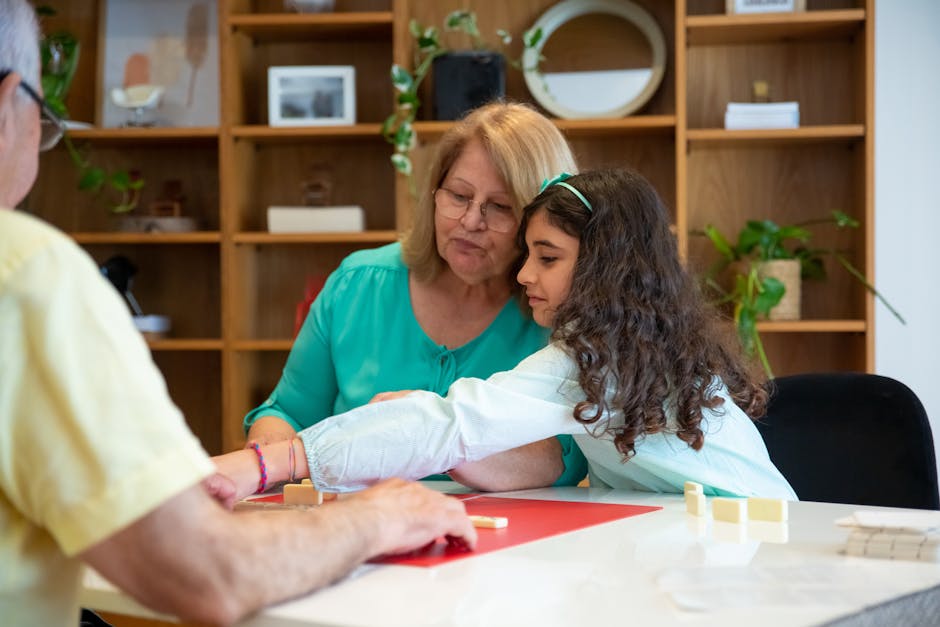
This is the big one, for real. Online communities are fine, but there’s something different about being in a room with other people who are just as hyped about a new game as you are. These stores, they’re set up for it. They usually have dedicated areas for tabletop games, with big tables and comfy chairs, ready for a long D&D session or a round of Magic: The Gathering. And people are actually there playing. You don’t have to go looking for a group; often, one is forming right there.
They host tournaments, big ones sometimes, with actual prize money, but also smaller, more casual ones. Like, a Mario Kart 8 Deluxe tournament on a Tuesday night where the prize is a gift card and bragging rights. Or a Smash Bros. brawl that gets super intense, even though everyone’s just laughing. My friend Sara, she met her whole D&D group at our local store’s weekly meet-up. They’ve been playing together for nearly two years now. That wouldn’t happen just staying home.
And it’s not just about competition. They often have workshops. Maybe someone teaching you how to paint miniatures for Warhammer, or a session on making your own custom controllers. It’s like a place where you can learn new stuff, too. It’s almost like a clubhouse, you know? People just show up, talk about games, play some games, and kinda just… exist together. It’s pretty awesome, honestly, especially when the internet feels kinda… isolating sometimes.
The Folks Who Work Here? They’re One of Us.
This is, like, super important. The people behind the counter aren’t just some random retail staff who don’t know a GPU from a GBA. Nah. These are gamers. Seriously. They know their stuff. You can ask them about the lore of some obscure title, or what motherboard pairs best with a certain CPU, and they’ll actually have a good answer. And maybe even tell you a story about how they built their own rig, or how they spent 300 hours on some old JRPG.
They’re passionate. You can feel it. It’s not just a job for them; it’s like they’re just hanging out at their second home. They often have their own favorite games, their own opinions, and they’re not afraid to share them. Which is kinda great, actually. You get real recommendations, not just whatever the store wants to push. They’re part of the community, not just serving it. And I think that makes a huge difference. Like, if you’re looking for a specific type of game, they don’t just point you to an aisle. They might say, “Oh, you like that? You gotta try this one, it’s got a similar vibe but the ending will mess you up.” That’s the kind of personal touch you can’t get from an algorithm.
Why Stepping Inside Still Rules in 2025
So, with everything available online, why even bother with a physical store? Honestly, for a lot of reasons. First off, it’s tangible. You can physically hold the game, feel the controller, see the merchandise. There’s no digital download hiccups or worrying about your internet speed. And if something’s wrong, you can just walk back in and talk to a human. Try doing that with a faceless online retailer sometimes.
Then there’s the discovery part. Online, algorithms just show you what you already like, or what’s popular. In a physical store, you might stumble upon a game you’ve never heard of, just because the box art is cool, or because someone else is talking about it nearby. I’ve found some of my favorite games that way, things I never would’ve searched for myself. It’s like a happy accident.
And the social thing, obviously. We talked about it. But seriously, it’s a big deal. In a world where so much interaction is through screens, having a place to meet up with people who get your weird hobbies, who understand why you spent hours trying to beat that one boss, or why you’re still talking about a game from 2009? That’s something pretty special. It’s a space to share your passion, vent about frustrating levels, or just geek out without judgment. It’s like a living, breathing social network, but for actual humans, not just avatars.
In my experience, these game stores, they’re not just shops anymore. They’re like hubs. Places where the culture of gaming isn’t just sold, but lived and shared. They’re definitely not going anywhere, and if anything, I believe they’re just getting cooler.
FAQs about Gamers Game Store
What kind of events do these game stores usually hold?
Oh, all sorts! Usually, you’ll find weekly tabletop game nights, like for D&D or Magic: The Gathering. They also do video game tournaments for popular titles like Smash Bros., Valorant, or whatever new big game just dropped. Sometimes there are even cosplay events, local dev showcases, or workshops on things like miniature painting.
Can I try out games before I buy them at one of these places?
Totally! Most good gamers game stores in 2025 have demo stations set up. You can often play a bit of the newest titles or check out some indie games you might not have seen online. It’s a nice way to make sure a game feels right for you before you commit.
Are the prices at a physical game store competitive with online shops?
Sometimes yes, sometimes no. It varies a lot. New, big-budget games usually have pretty standard pricing everywhere. But for niche stuff, retro games, or unique merch, the physical store might have a more unique selection and maybe slightly different pricing. You’re also paying for the experience and community, not just the product.
Do these stores buy used games or equipment?
Yep, most of them do! It’s how they keep their used game selection fresh and sometimes how they get those cool, rarer items. You can often trade in your old games, consoles, or even PC parts for store credit or cash. It’s a good way to clear out your backlog and maybe get something new without spending a ton.
Is it just for hardcore gamers, or can anyone go?
Nah, not just for hardcore folks! While you’ll definitely find plenty of super dedicated gamers there, these places are for anyone who just likes games. If you’re curious about a new board game, wanna try a console before you buy one, or just wanna see what’s new in the gaming world, you’re welcome. They’re usually pretty friendly places, even if you’re just starting out.